
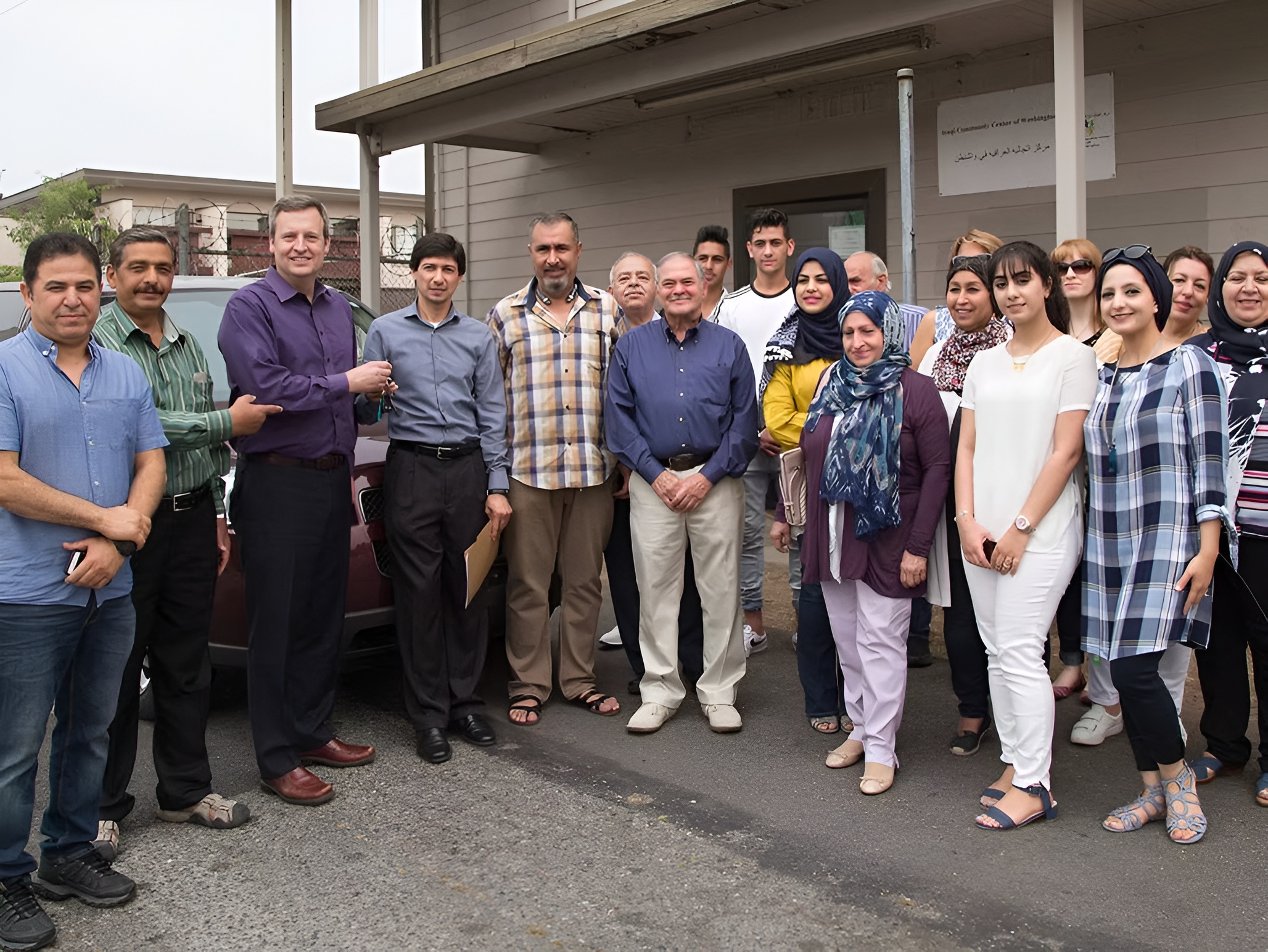
At IRCCW, health care access is part of its commitment to help immigrant and refugee communities feel safe and supported in Washington state. Since 1998, IRCCW has served families through culturally and linguistically specific social services, case management, transportation support, and referrals that help people move from survival toward long-term well being.
This work reflects a simple belief: health is a fundamental human right, and every person should be able to seek healthcare without fear, confusion, or shame. Through community outreach, health screenings, primary care navigation, and apple health expansion guidance, IRCCW helps immigrants, refugees, neighbors, providers, and community members understand the services and resources available to them.
IRCCW Programs Across Washington State
IRCCW’s programs serve families across Washington, with deep roots in King County, South King County, Kent, and the Seattle area. The organization’s mission, led by Yahya Al-Garib, is to promote self-advocacy, raise cultural awareness, support accessibility, facilitate system navigation, and ensure equitable access to health care through partnerships, direct service, and capacity building.
IRCCW’s programs include social services and case management, early learning and family support, housing and homelessness prevention, youth education, Parent Child Plus, and senior community support. These programs address employment, housing, healthcare connections, public benefits, language barriers, and family stability together, because coverage alone is not enough when transportation, food, work, school, or fear create barriers.
Health Screenings and Primary Care for Refugee Communities
For refugee communities, early domestic arrival screenings are often the first bridge between the health system in a home country and the health care system in the United States. The Washington State Department of Health Refugee and Immigrant Health Program coordinates medical screening work with local health jurisdictions, providers, and the Office of Refugee and Immigrant Assistance.
These screenings should review urgent medical needs, vaccinations, tuberculosis risk, hepatitis and HIV testing, sexually transmitted infections, lead exposure, nutrition, chronic disease, vision, dental needs, reproductive health, and mental health. A structured response matters. When a tuberculosis screen is positive or symptoms are present, the person needs timely follow-up, public health coordination, and referrals for diagnosis or treatment. When lead risk is identified, children and adults may need blood lead testing, household education, and specialty care.
King County Primary Care Coordination and Routine Screenings
In King County, coordination means connecting each person to a primary care medical home, not only a one-time appointment. Screening clinics, community clinics, Harborview Medical Center networks, public health teams, and community-based organizations can work with IRCCW to help patients understand where to go next, what documents to bring, and how to follow up.
A practical timeline can help new arrivals. In the first 30 days, prioritize urgent prescriptions, pregnancy care, uncontrolled pain, infectious symptoms, and safety concerns. Within the first 90 days, complete domestic medical screening, immunizations, TB testing, lead screening for children and high-risk adults, STI screening, mental health screening, and referrals. Within six to twelve months, review chronic conditions, dental care, vision care, prescription medications, trauma recovery, school needs, and employment-related health concerns.
Apple Health Expansion and Health Coverage Assistance
IRCCW also helps families understand apple health, eligibility, and health coverage options. The Washington State Health Care Authority Apple Health Expansion program provides free healthcare coverage for some uninsured immigrants who qualify and do not qualify for other Apple Health programs because of immigration status. Enrollment can be limited, so guidance should include application review, waitlist or cap updates, and alternative paths.
Step-by-step assistance should include screening for age, income, legal status, immigration status, household size, Washington residency, and current coverage. Navigators can help families complete applications, upload identity and income documents, select a plan when approved, and discuss benefits such as primary care, behavioral health, dental, pharmacy, interpreter services, transportation to covered appointments, and prescription medications.
Enrollment Support for Immigrant Communities
When Apple Health Expansion is full or a person does not qualify, IRCCW can help compare other options. Washington’s Section 1332 Waiver and immigrant health coverage initiative allows Washingtonians to purchase non-federally subsidized qualified health and dental plans regardless of immigration status. Some families may qualify for Apple Health for Kids, pregnancy coverage, Alien Emergency Medical for qualifying emergencies, or hospital charity care, which state materials say can offer free or reduced-fee hospital care to about half of Washingtonians.
Enrollment support should be multilingual and immigration-sensitive. Materials should explain that applying for health coverage through Washington Healthplanfinder does not automatically define a person by legal status. Navigator training should prepare staff to answer common calls, schedule a visit, review each application date, and offer guidance for families, including Health Care Authority resources for Ukrainian new arrivals.
Partnerships, Language Access, and Cultural Trust
IRCCW’s partnership model works because community leaders, interpreters, cultural liaisons, clinics, and trusted organizations share responsibility. Statewide models, including Island County, show how transportation and referral services can help refugees and immigrants reach care. Peer organizations such as the Iraqi Community Center of Washington, the Office of Refugee and Immigrant Assistance, public health clinics, and local advocates can connect people to vital services and resettlement benefits with dignity.
Language access services are crucial for refugee healthcare. Providers should ask each patient whether they prefer an interpreter of a specific gender, avoid using children or family members as interpreters, and provide in-language educational materials. Trust grows through consistent patient-provider interactions, not one hurried visit. Providers should make space to discuss culture, religion, identities, trauma, gender, family roles, and values without assuming that everyone from one country or origin has the same experience.
Health Equity Initiatives and Policy Advocacy in Washington State
Broader health equity work requires more than enrollment. Many immigrant communities face disparities because of language barriers, lack of transportation, unfamiliarity with the American healthcare system, fear about immigration status, stigma around mental health, and different expectations shaped by care systems in other countries.
IRCCW can advance health equity by collecting community feedback, participating in advisory meetings, supporting policy efforts to expand eligibility, and helping providers understand culturally appropriate practices. EthnoMed’s Primary Care Provider Toolkit project notes that Washington state and King County are top resettlement destinations; its 15 interviews with Afghan, Ukrainian, and Iraqi refugee community leaders highlighted language access, prevalent mental health needs, trust, community-based organizations, and differences between U.S. and foreign health systems as major care issues.
Data, Monitoring, and Accountability
A strong health access program should track outcomes by community and county while protecting privacy. IRCCW can monitor how many people receive screening referrals, complete health coverage applications, select a primary care clinic, attend a follow-up appointment, and remain connected to care after six and twelve months.
Quarterly reports to stakeholders can review enrollment, primary care retention, transportation support, interpreter needs, referral completion, and community feedback. This data helps IRCCW, clinics, colleagues, funders, and leaders identify what is working, where barriers remain, and how to improve services without reducing anyone to a number.
How to Access IRCCW Services and Referrals
If you need assistance, start by contacting IRCCW through the hotline listed on the Contact page or by using the online contact form. Ask for health navigation, health screenings, Apple Health or health coverage assistance, primary care referrals, transportation options, or case management support.
Before your appointment, bring identification if available, proof of address, income or employment information, immigration documents if you have them, medication lists, vaccine records, hospital bills, and any letters from Washington Healthplanfinder, Apple Health, clinics, or hospitals. No one should delay seeking urgent care because paperwork is incomplete.
IRCCW’s vision is a welcoming community where immigrants and refugees can thrive. Whether you are a new arrival, a provider, an advocate, a neighbor, or a donor, you may support IRCCW’s community programs to help expand culturally sensitive services for immigrant and refugee families across Washington.